…..

I write this as someone who has spent over 15 years serving in communication roles across different NGOs. From my experience, I have one uncomfortable question: Do NGOs genuinely need communication officers, or do they recruit them merely to satisfy funders’ requirements, only to watch them fail?
In the NGO sector, communication officers are desired, discussed, and eventually hired. Yet, many organisations do not fully understand what development communication entails or what a communication officer should contribute to the development process.
An NGO wants good development communication practice but may resist the discomfort that comes with it. It wants a competent communication officer who can strengthen its work, support resource mobilisation and contribute to sustainability. However, that officer must not question established practices, challenge organisational assumptions or push for reforms in how communication is understood and practised.
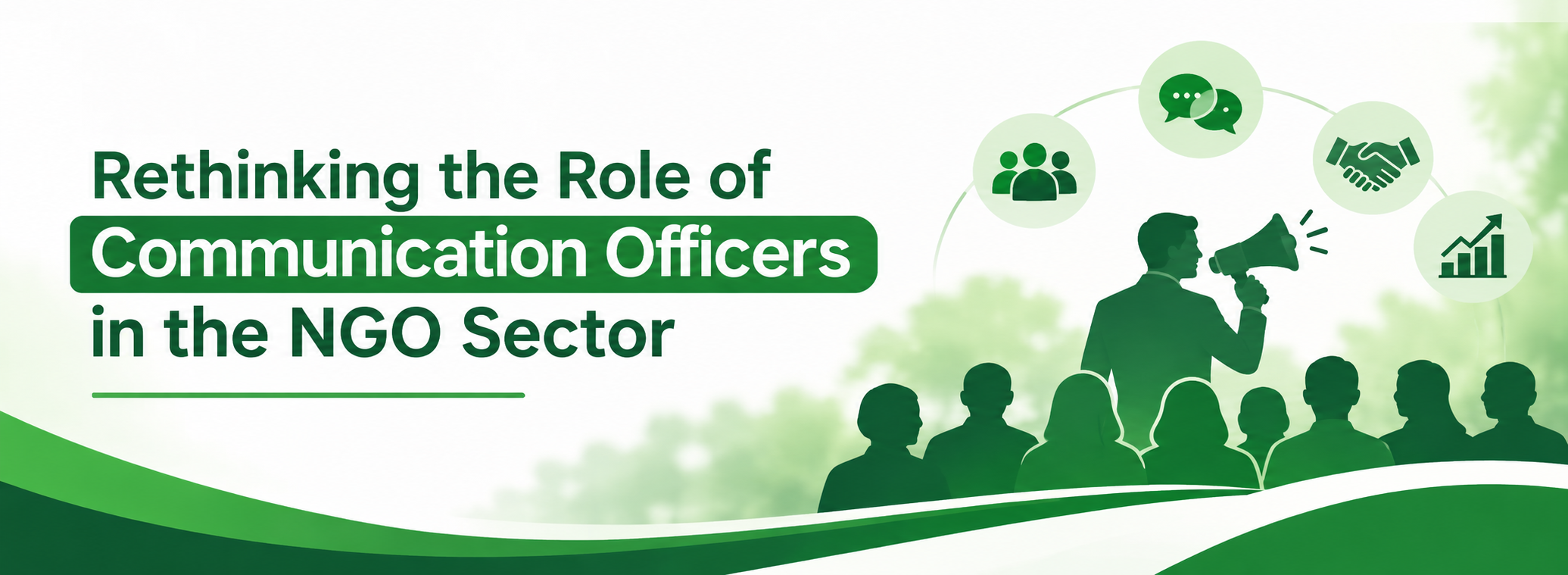
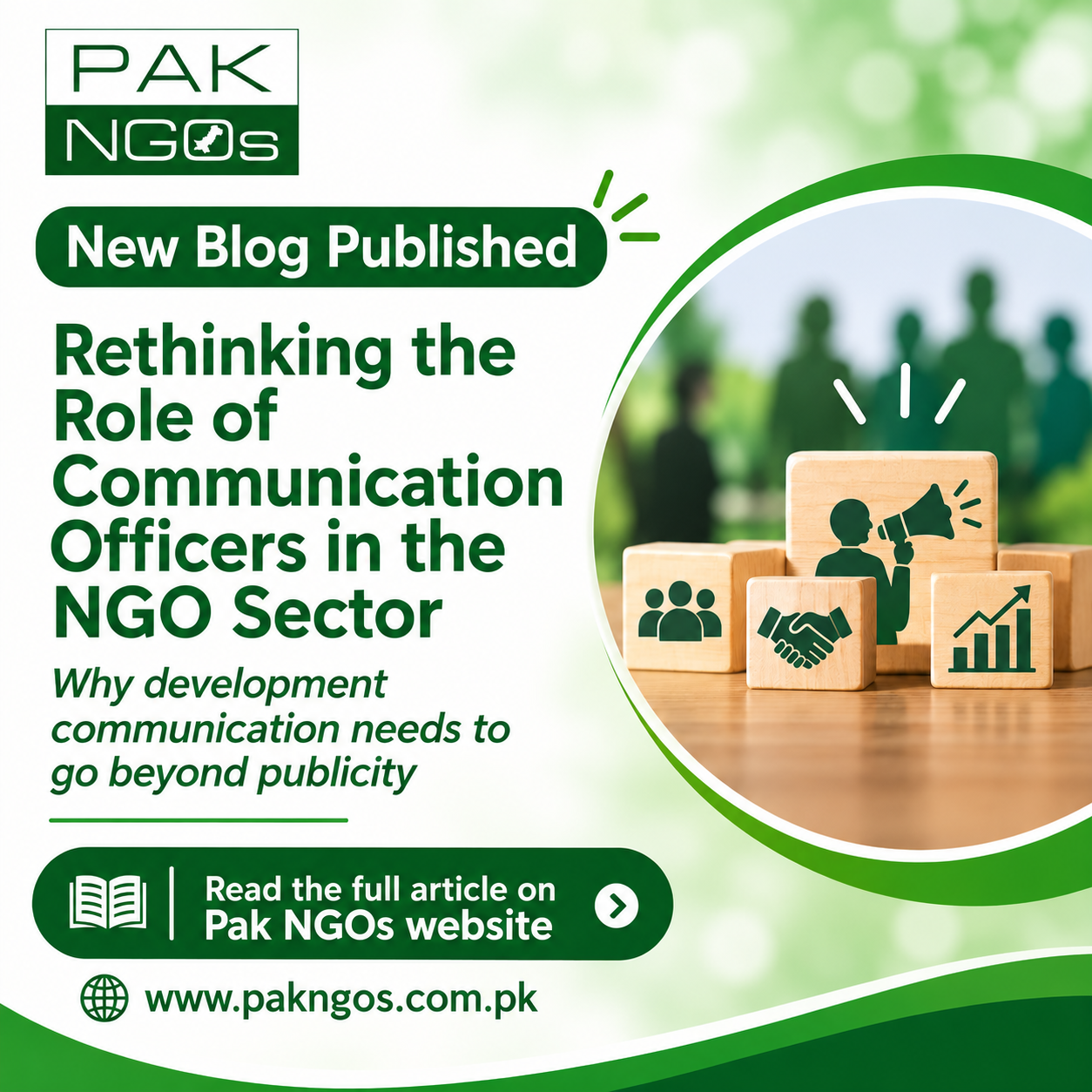
Instead of being involved in programme design, community engagement, co-creation analysis, and monitoring and evaluation, the officer discovers that the organisation primarily wants someone to manage its social media accounts, produce publicity materials, document activities, and maintain media contacts for events.
The irony is that some NGOs want a communication officer who will not challenge the systems that undermine effective communication. They want competence without uncomfortable questions, results without institutional reflection, and evidence of change without the scrutiny required to establish whether meaningful change has occurred.
Communication in NGOs cannot be reduced to marketing, publicity or visibility. It is not simply about showcasing activities to donors or demonstrating that a project has taken place. Development communication involves dialogue, negotiation, participation, empowerment and the processes through which people become active participants in their own development.
A communication officer is expected to understand an NGO’s programmes deeply and, sometimes, to defend them publicly. But how can that officer explain an intervention they were never involved in designing? How can they communicate its relevance when they have little understanding of the evidence informing it? How can they demonstrate results when they are excluded from the processes through which those results are defined, monitored, and evaluated?
A communication officer is the only person in the room who asks questions others avoid: Are the challenges we are observing in this community caused by inadequate funding, or are they the consequences of how the intervention was designed and implemented?
Dr. Audu Liberty Oseni is a development practitioner, researcher, and organisational leader with over 15 years of experience across governance, public health, climate resilience, participatory development, and social and behaviour change. As Founder and Director of the Centre for Development Communication (CDC), he leads strategy, programme development, research, partnerships, and institutional strengthening.