Pakistan’s 2026 Civil Awards have recognised individuals for contributions across science, education, medicine, arts, public service, social welfare and philanthropy. Among the recipients are several personalities whose work has a direct or significant connection with Pakistan’s development sector.
For development-sector professionals, these recognitions are particularly noteworthy because they highlight the value of work in areas such as social inclusion, education, women’s empowerment, development economics and community development.
The following five recipients stand out for their contributions to these areas.
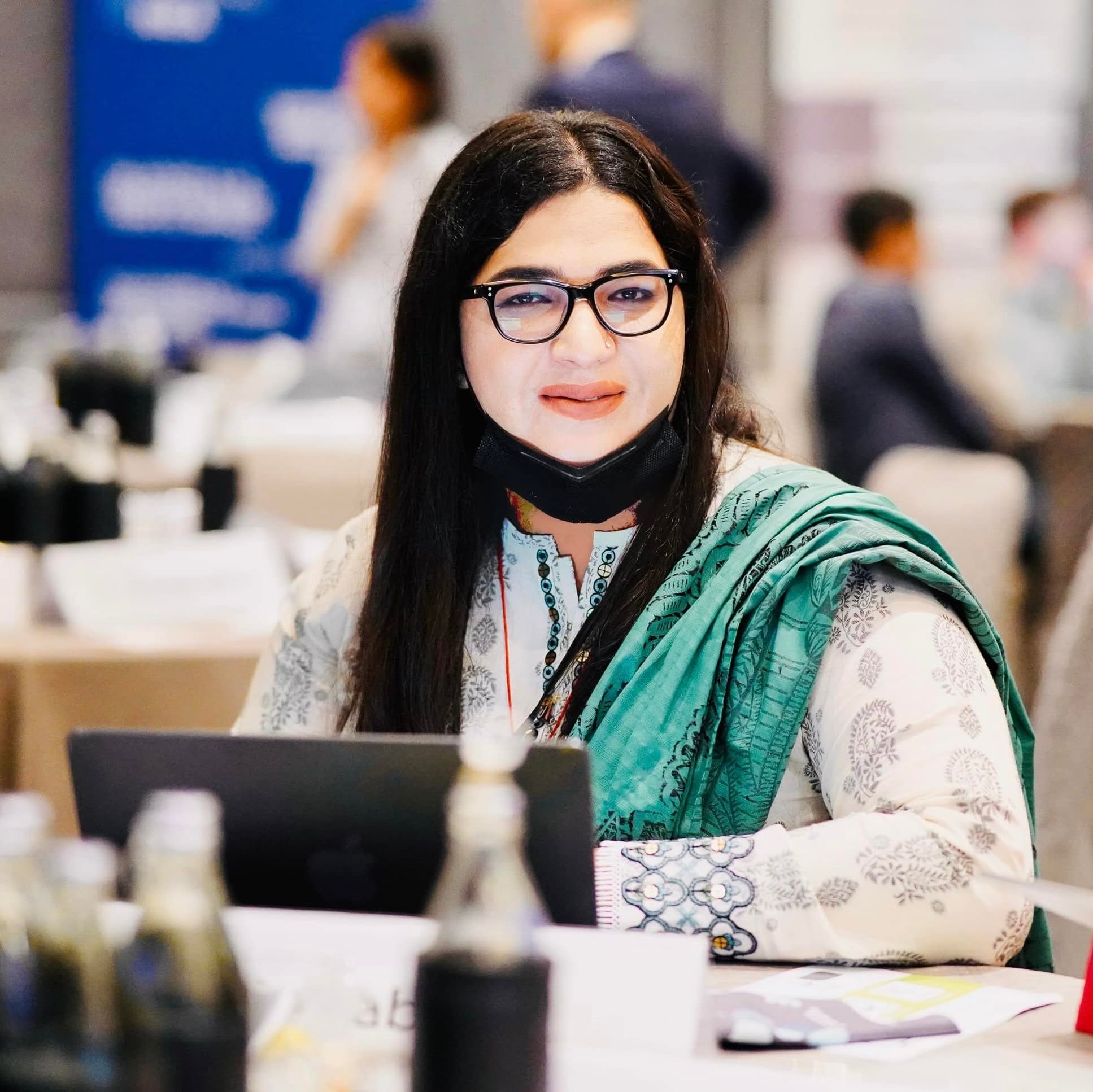
Nayyab Ali — Sitara-i-Imtiaz
Field: Social Work
Nayyab Ali has been recognised with the Sitara-i-Imtiaz for Social Work. Her work has focused on the rights, welfare and inclusion of transgender people in Pakistan.
A prominent transgender rights defender, Ali has worked on legal and policy issues affecting the transgender community and has been involved in efforts to improve access to rights and public services. She has also managed the Khawaja Sira Community Centre in Okara, which provides literacy, vocational training, life-skills education and other support to members of the transgender community.
Her work represents an important dimension of development: ensuring that marginalised communities are not excluded from social, economic and political life.
Abia Akram — Tamgha-i-Imtiaz
Field: Philanthropy/Social Service
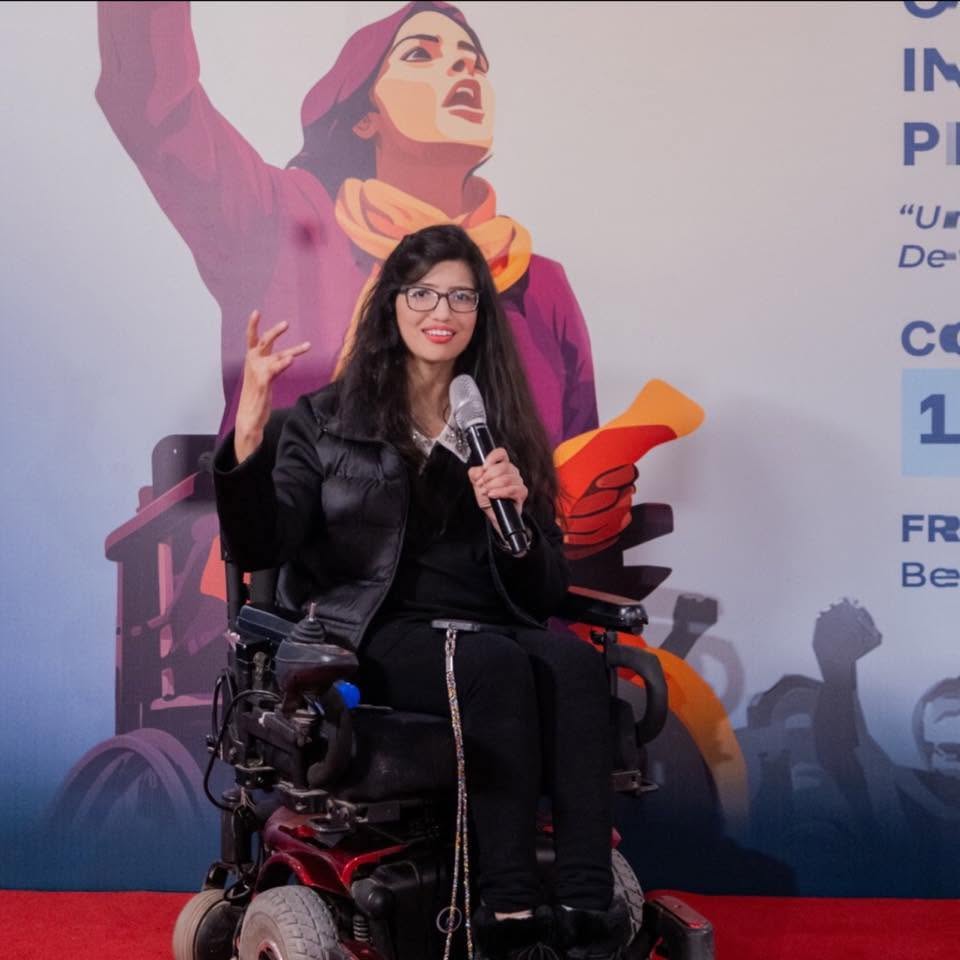
Abia Akram has received the Tamgha-i-Imtiaz for Philanthropy/Social Service, recognising her longstanding work in disability rights and inclusion.
A leading disability rights advocate from Pakistan, Akram has worked for decades to advance the rights of women, girls and young people with disabilities. She has held leadership roles in organisations including the National Forum of Women with Disabilities and the Global Forum on the Leadership of Women and Girls with Disabilities, and is also associated with Sightsavers.
Her advocacy has extended beyond awareness-raising to legislation, policy and implementation. She has worked to ensure that disability is approached as a human-rights and development issue rather than simply a matter of charity.
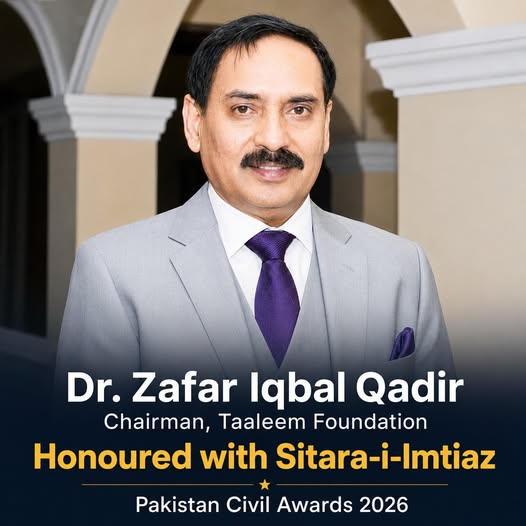
Dr. Zafar Iqbal Qadir — Sitara-i-Imtiaz
Field: Education Administration
Dr. Zafar Iqbal Qadir has been awarded the Sitara-i-Imtiaz for Education Administration.
His contribution to the development sector is closely associated with the Taaleem Foundation, which he established in 1989 to promote education and community development in Balochistan. What began with a school in Kohlu has grown into a development organisation working across education, healthcare, social mobilisation, vocational skills, climate change, biodiversity, renewable energy and other areas of community development.
Taaleem Foundation says its programmes have reached hundreds of thousands of beneficiaries across multiple provinces and districts. Its work demonstrates how education can be used as an entry point for broader social and economic development.
Dr. Rashid Amjad — Sitara-i-Imtiaz
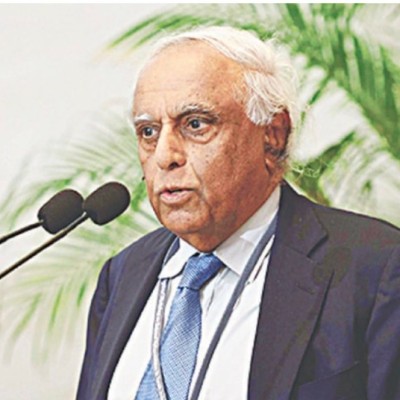
Field: Education (Economist)
Dr. Rashid Amjad has received the Sitara-i-Imtiaz for his work as an economist.
While his career is rooted primarily in economics and public policy rather than NGO implementation, his work has been closely connected with Pakistan’s development agenda. He has served as Vice-Chancellor of the Pakistan Institute of Development Economics (PIDE), Chief Economist at the Planning Commission, and held senior positions with the International Labour Organization (ILO).
His career has focused on employment, economic development, labour markets and public policy — areas that are central to the work of development institutions in Pakistan.
His recognition, therefore, represents another important side of the development sector: research, economic policy, and evidence-based development planning.
Recognition Beyond the Traditional NGO Sector
These five recipients represent different dimensions of Pakistan’s development ecosystem.
Nayyab Ali represents rights-based social work and inclusion.
Abia Akram represents disability rights and inclusive development.
Dr. Zafar Iqbal Qadir represents community-based development through education and social services.
Dr. Rashid Amjad represents development economics and public policy.
The Government of Pakistan’s official announcement places these individuals in different categories — Social Work, Philanthropy/Social Service, Education Administration, Education/Economics, and Education Administration & Women Empowerment. The awards will be formally conferred at the investiture ceremony on 23 March 2027.
Their inclusion among this year’s civil award recipients is a reminder that Pakistan’s development work extends well beyond the conventional boundaries of NGOs. It encompasses research, policy, education, advocacy, philanthropy, social inclusion and community-based action — all of which contribute to improving people’s lives and strengthening society.
The 2026 Civil Awards
The Government of Pakistan announced the 2026 Civil Awards on 14 August 2026, recognising individuals for exceptional achievement, excellence and courage in their respective fields. The official announcement lists Dr. Rashid Amjad, Dr. Zafar Iqbal Qadir, Prof. Dr. Ghazala Yasmeen and Prof. Dr. Faisal Bari under Education, while Nayyab Ali appears under Social Welfare and Abia Akram under Philanthropy.
Source: Government of Pakistan, Cabinet Division — Announcement of Pakistan Civil Awards, 14 August 2026.