…..
ISLAMABAD — The Empowering Women and Girls (EWG) Project officially concluded its three-year run today, celebrating a massive milestone: reaching hundreds of thousands of people across Pakistan to advance gender equality, education, and economic independence.
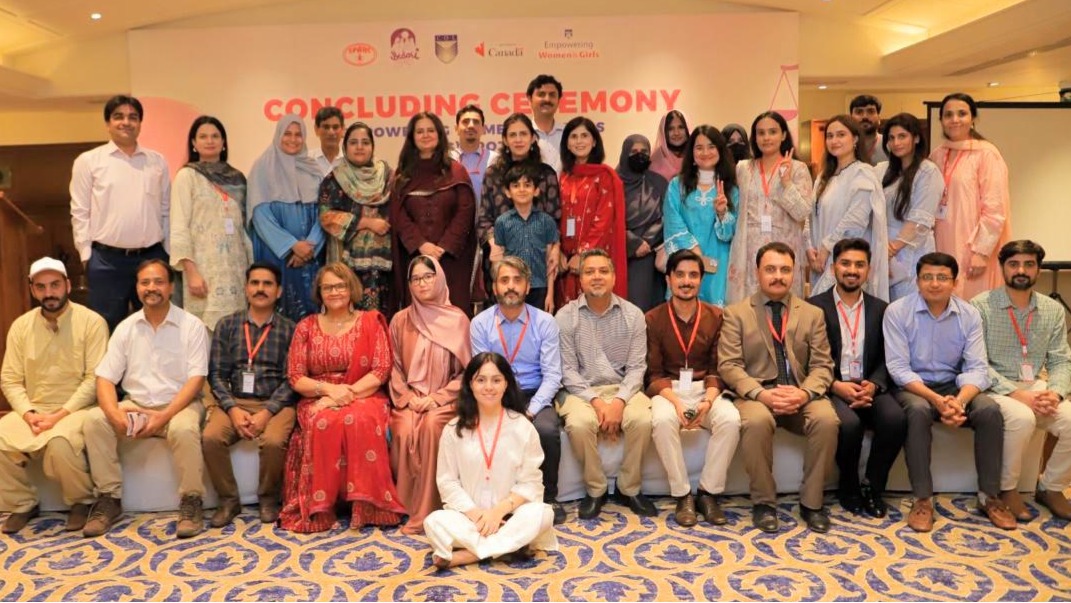
The project’s closing ceremony brought together top policymakers, government officials, development partners, and community leaders to reflect on its grassroots impact. Funded by Global Affairs Canada (GAC), the initiative was a collaborative effort between the Commonwealth of Learning (COL), the Society for the Protection of the Rights of the Child (SPARC), and Bedari.
By the Numbers: The Project’s Impact
Bedari’s Achievements (Bhakkar and Khushab Districts):
- Direct Support: 11,169 women and girls (including those with disabilities) were reached to strengthen their knowledge, skills, and confidence.
- Community Engagement: 20,825 community members were trained and engaged on topics like climate change, rights, health, life skills, and positive social norms.
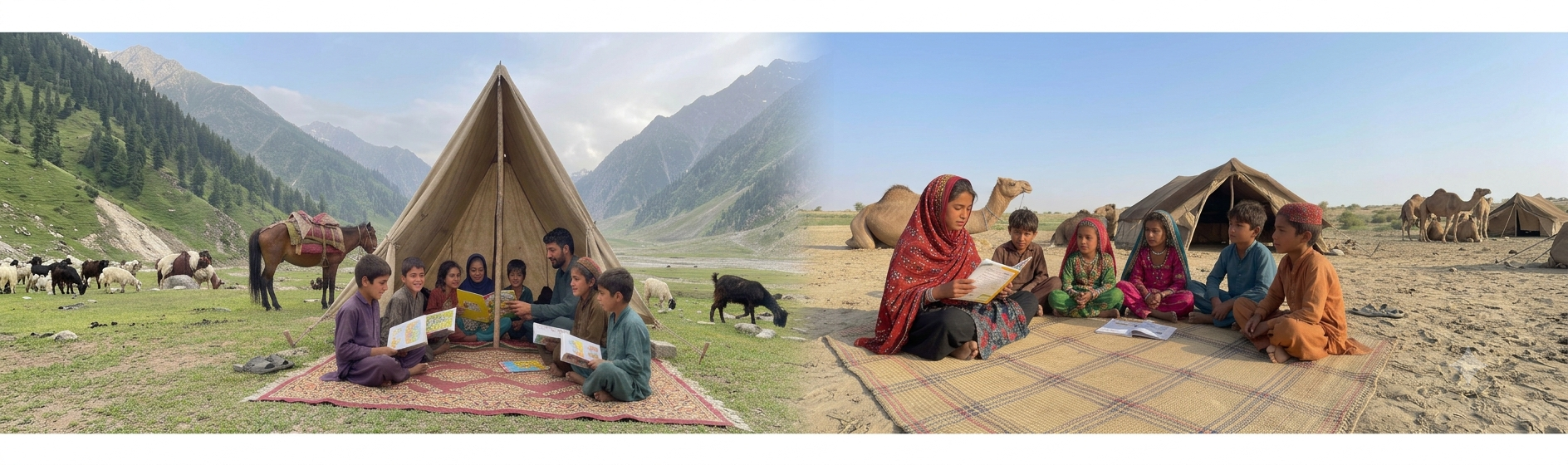
- Educational Reintegration: 1,900 out-of-school girls were returned to formal education through community support mechanisms. Additionally, 20 Open Schools were established, with 10 successfully transitioning to the Punjab Education Foundation to ensure continuity beyond the project’s lifespan.
- Economic & Legal Empowerment: 997 women successfully opened digital bank accounts to promote financial independence, and 2,258 women received CNICs to secure their legal recognition and access to essential services.
SPARC’s Achievements:
- Awareness & Outreach: 44,930 people were engaged through 39 public awareness campaigns, and 10,279 women and girls were specifically reached with rights awareness.
- Training & Enrollment: 13,350 women and girls were enrolled and trained. Furthermore, 660 teachers received specific training on Gender-Based Violence (GBV) prevention.
- Male Engagement: 1,904 men and boys were trained in gender equality, leading to the successful establishment of 66 Men & Boys Clubs.
- Systemic Support: 565 girls and boys were returned to education, 490 legal identity documents were secured, and 20 local Women’s Rights Organisations were strengthened.
High-Level Political and International Backing
The ceremony featured an exhibition showcasing products created by the project’s beneficiaries, drawing immense praise from attendees. Dr. Shazia Sobia Aslam Soomro lauded the entrepreneurial spirit of the participants and committed to facilitating a similar exhibition directly at Parliament House to provide these women with a broader commercial platform. Similarly, Engineer Gul Asghar Khan Baghoor, Parliamentary Secretary for the Ministry of Communication, emphasized that the government must focus on sustaining these local models to ensure inclusive national development.
Sasha Oliveira, representing Global Affairs Canada, reaffirmed Canada’s ongoing commitment to funding initiatives that uplift women globally.
“Sustainable development is driven by empowering local organizations to lead community-based solutions,” Oliveira noted, praising the operational synergy between the international backers and Pakistani grassroots organizations.
A Blueprint for Future National Policy
A recurring theme among the event’s speakers was turning this three-year project into a permanent national framework. Ms. Noureen Bano Lehri urged that the successful models established by SPARC and Bedari be integrated directly into national policies, a sentiment echoed by leadership at the National Commission on the Status of Women.
Executive Directors Ms. Asiya Arif Khan (SPARC) and Ms. Anbreen Ajaib (Bedari) both attributed the project’s staggering reach to the power of locally-driven interventions. By building trust within the communities, they noted, a permanent foundation for long-term social change has successfully been laid.
Other notable speakers at the event included Ms. Huma Akhtar Chughtai (MNA), Mr. Ghazanfar Budhal, Dr. Zahid Majeed (AIOU), and Ms. Komal Ijaz (Shelter Home, Multan), who all verified the visible, positive shifts in girls’ education and community participation at the absolute grassroots level.
This report was prepared with inputs from Bedari, SPARC, and Commonwealth of Learning.